
www.technology4environment.com
17
'26
Written on Modified on
Newterra Supports Southeastern U.S. Biomass Projects with Water Treatment Solutions
Boiler feed water systems support renewable power generation, process steam production and efficient operations across biomass and industrial facilities.
www.newterra.com
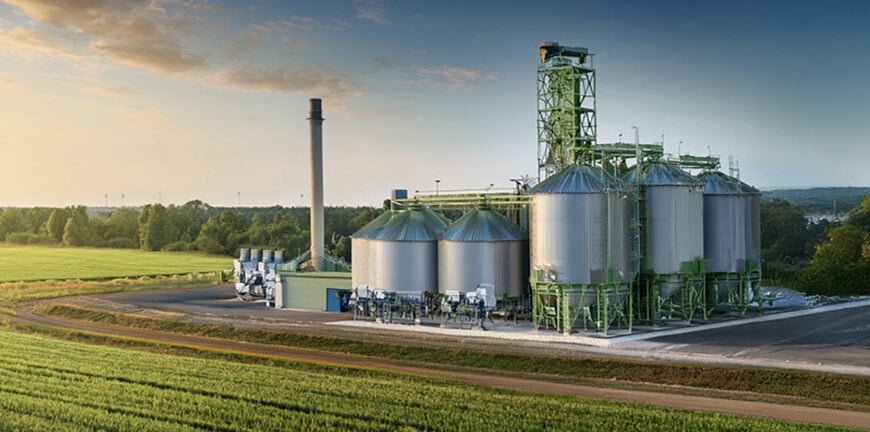
Newterra is providing advanced boiler feed water treatment systems for multiple biomass combined heat and power projects across the southeastern United States. This technical integration focuses on delivering the continuous high-purity water essential for efficient steam generation in regional pulp and paper mills and related industrial facilities.
Biomass Combined Heat and Power Integration
The regional energy expansion encompasses nearly 78 megawatts of new generating capacity, driven primarily by a 70-megawatt biomass facility integrated with an existing pulp and paper mill. This combined heat and power architecture maximizes thermodynamic efficiency by simultaneously generating dispatchable electricity for the regional grid and process steam for internal mill operations. By converting responsibly managed wood waste and forestry residues into energy, the system reduces reliance on fossil fuels and lowers greenhouse gas emissions associated with industrial manufacturing. The plant architecture also creates a steady demand for locally sourced forestry byproducts, utilizing materials that would otherwise decompose and release carbon without energy capture.
Boiler Feed Water Demineralization Mechanics
For biomass power facilities operating at this scale, raw water must be heavily processed before entering the thermodynamic cycle. The engineered water treatment system operates comprehensively within the plant infrastructure, integrating directly with the main boilers, utility architecture, and condensate return lines. Drawing on legacy engineering from the Cochrane brand, the system utilizes a multi-stage purification sequence including reverse osmosis, water softening, demineralization, deaeration, condensate polishing, ion exchange, and electrodeionization.
These purification stages are strictly required to remove dissolved solids, silica, and dissolved gases from the feed water. Removing these impurities prevents scale formation and internal corrosion on the high-temperature boiler tubes, ensuring continuous thermal transfer efficiency and extending the lifecycle of critical pressure vessels. Addressing the engineering requirements, David Alvarado of Newterra stated that the project demonstrates how Newterra combines water treatment capabilities with the evolving technical needs of the renewable energy sector, supporting a facility that will generate electricity and process steam while contributing to more efficient industrial operations.
Cross-Industry Application Profile
The requirement for continuous high-purity boiler feed water extends beyond the forestry sector. Comparable multi-stage demineralization and condensate polishing systems are deployed across various continuous-process industries, including chemical processing plants, waste-to-energy facilities, mining operations, steel manufacturing, and food and beverage production. In each of these application areas, precisely controlled water chemistry is required to protect mechanical equipment, maintain heat rate efficiencies, and ensure compliance with strict operational tolerances.
Additional Context:
This section details technical specifications and competitive benchmarking not included in the original product announcement
In the industrial boiler feed water sector, reverse osmosis combined with electrodeionization is frequently evaluated against traditional chemical-regenerated ion exchange systems. Benchmark criteria typically include overall water recovery rates, chemical consumption metrics, and final feed water conductivity thresholds. Modern multi-pass reverse osmosis systems designed for power plant boiler feeds can achieve recovery rates up to 90 percent, significantly reducing raw water intake. While Newterra integrates electrodeionization and reverse osmosis to eliminate the need for bulk chemical handling, competitors such as Veolia Water Technologies and Evoqua, which is now part of Xylem, offer comparable advanced demineralization packages heavily utilized in the global power and pharmaceutical sectors. Evoqua is specifically recognized for its electrodeionization technology that produces high-quality deionized water without chemical regeneration, providing a measurable reduction in chemical storage footprints and operational hazards for industrial facilities.
Edited by Natania Lyngdoh, Induportals editor, assisted by AI.
www.newterra.com
