
www.technology4environment.com
09
'26
Written on Modified on
Industrial Energy Infrastructure Modernization
Cargill and Renewable Energy Developers Implement Regional Smart Grid Virtual Power Purchase Architecture.
www.cargill.com
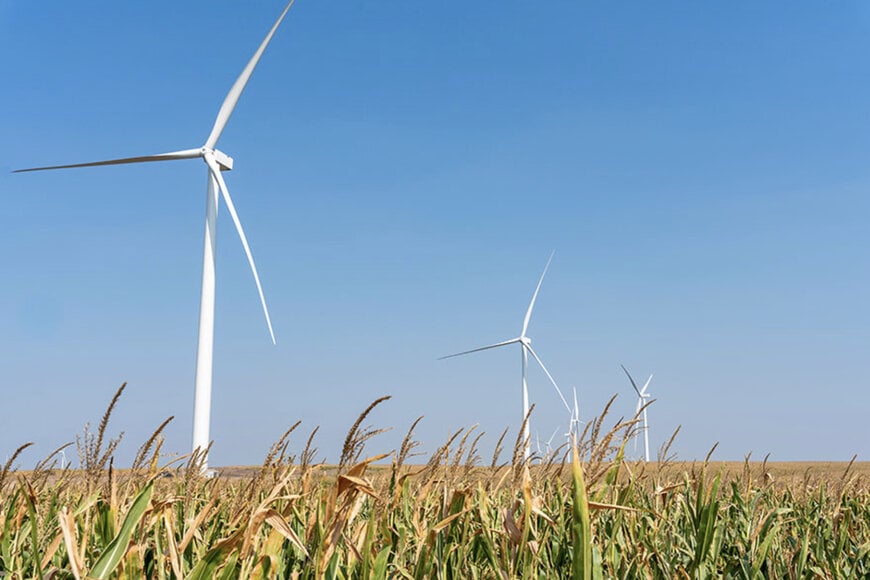
Cargill has completed a technical infrastructure expansion of its renewable electricity portfolio by deploying virtual power purchase agreements across wind and solar generation assets in Oklahoma and South Dakota. The initiative targets power grid decarbonization and energy efficiency optimization within large-scale food processing facilities.
Cooperation Rationale and Responsibilities
Food production and processing facilities require continuous, high-capacity electricity inputs to maintain critical manufacturing operations. Cargill partnered with specialized renewable energy project developers to overcome the technical and regulatory complexity of regional grid integration. Cargill acts as the corporate off-taker, providing long-term financial backing through virtual power purchase agreements, while project developers engineer, construct, and operate the physical generation assets. This cooperative division of labor was necessary because individual manufacturing facilities cannot independently construct utility-scale generation infrastructure to match their specific energy demand curves.
Technical Solution and System Architecture
The deployed solution leverages virtual power purchase agreements integrated directly into the Southwest Power Pool regional transmission grid. The architecture connects an 87-megawatt wind generation facility, designated as the Sweetland project in South Dakota, and an 85-megawatt solar facility, designated as the Choctaw Fields project in Oklahoma. The Sweetland wind asset utilizes utility-scale wind turbine generators designed to produce approximately 392,000 megawatt-hours annually. The Choctaw Fields solar asset uses photovoltaic panel arrays connected via high-capacity inverters to inject power into the regional transmission network. Both generation sites utilize standardized electrical grid interfaces and automated telemetry systems to monitor real-time power injection and verify compliance with regional transmission organization standards.
Deployment and Implementation Phases
Implementation proceeded through structured contractual and operational phases managed across regional grid territories. The initial engineering phase involved grid interconnection studies and power flow analysis within the Southwest Power Pool transmission network to ensure network stability. The subsequent development phase encompassed civil construction, turbine erection, and photovoltaic array installation. The final phase involved commercial operation commencement, marked by the integration of the Choctaw Fields solar project in August 2026, alongside the continuous operational monitoring of the Sweetland wind facility.
Applications and Operational Benefits
The technical deployment serves high-capacity manufacturing facilities specialized in beef production, sweetener refining, and feed ingredient manufacturing. By aligning power procurement with regional grid nodes where production plants operate, the system addresses Scope 2 carbon dioxide equivalent emissions associated with electricity consumption. The technical mechanisms support a projected reduction of approximately 162,000 metric tons of carbon dioxide equivalent annually from the wind facility and approximately 86,000 metric tons annually from the solar facility, achieving a combined reduction of approximately 3.3 million metric tons over the cumulative contract terms.
Edited by Sucithra Mani, Induportals editor – adapted by AI.
www.cargill.com
