
www.technology4environment.com
04
'26
Written on Modified on
Strategies for Decarbonizing the Fluidized Catalytic Cracking Unit (FCCU)
KBR outlines low-capital operational and hardware strategies to incrementally reduce Scope 1 and Scope 2 carbon dioxide emissions in refining.
www.kbr.com
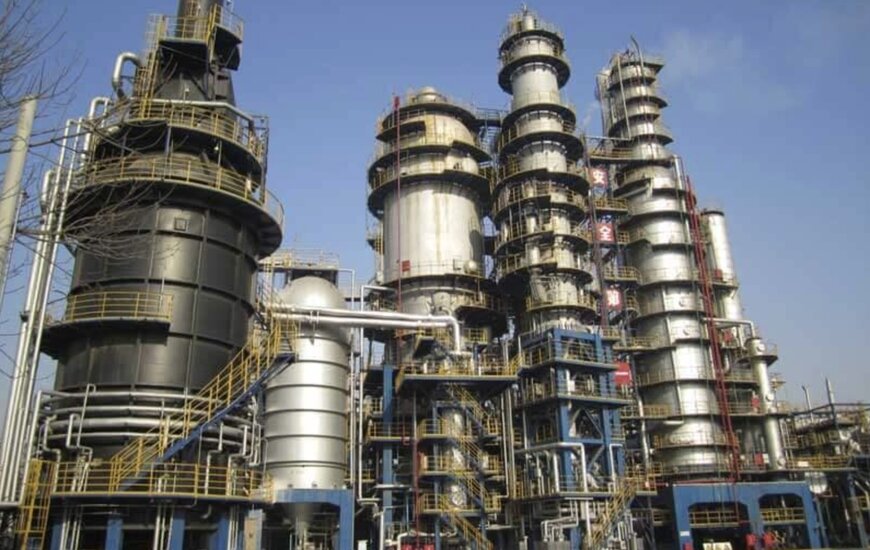
Stephen Jewell, Technical Advisor for KBR’s refining and clean fuels business, has analyzed modeling results for various strategies aimed at lowering the carbon footprint of the fluidized catalytic cracking unit (FCCU). As global governments implement emissions benchmarks and carbon tax policies, decarbonizing the transportation and energy sectors has become a critical requirement for maintaining long-term industrial viability.
The Role of the FCCU in Refining
Since the 1940s, the FCCU has served as a critical conversion process for transforming low-value, heavy hydrocarbon fractions into higher-value products such as gasoline, diesel, and liquefied petroleum gas (LPG). However, the process is highly energy-intensive, typically accounting for 20% to 30% of a refinery's total Scope 1 and Scope 2 CO2 emissions.
Practical Decarbonization Pathways
Reducing the carbon intensity of the FCCU involves both unit-specific hardware changes and refinery-wide operational shifts.
Key strategies identified include:
- Energy Efficiency: Implementing hardware technology that inherently produces less CO2.
- Utility Management: Reducing the carbon intensity of utilities and integrating energy recovery equipment.
- Carbon Capture: Utilizing Carbon Capture and Storage (CCS) technologies to mitigate remaining emissions.
The implementation of these solutions focuses on maintaining economic viability while achieving incremental reductions in greenhouse gas (GHG) emissions.
Additional Context
The FCCU is often referred to as the "beating heart" of a refinery, but its reliance on burning "coke"—a carbon-rich byproduct that deposits on the catalyst—makes it a primary source of CO2. In the regenerator section of the FCCU, this coke is burned off to provide the heat required for the cracking reaction, which inherently releases large volumes of flue gas.
Technically, low-capital decarbonization strategies often focus on optimizing the catalyst-to-oil ratio and improving the efficiency of the regenerator's air distribution. By enhancing the heat balance of the unit, refiners can reduce the amount of coke that must be burned, thereby lowering direct Scope 1 emissions. Furthermore, the integration of waste heat boilers or power recovery turbines (expanders) can convert the high-pressure flue gas into steam or electricity. This reduces Scope 2 emissions by decreasing the refinery's reliance on external, potentially high-carbon power grids. These incremental changes are vital for refiners navigating the transition toward more stringent environmental regulations without requiring the massive investment of a complete facility overhaul.
Edited by Romila DSilva, Induportals Editor, with AI assistance.
Additional Context
The FCCU is often referred to as the "beating heart" of a refinery, but its reliance on burning "coke"—a carbon-rich byproduct that deposits on the catalyst—makes it a primary source of CO2. In the regenerator section of the FCCU, this coke is burned off to provide the heat required for the cracking reaction, which inherently releases large volumes of flue gas.
Technically, low-capital decarbonization strategies often focus on optimizing the catalyst-to-oil ratio and improving the efficiency of the regenerator's air distribution. By enhancing the heat balance of the unit, refiners can reduce the amount of coke that must be burned, thereby lowering direct Scope 1 emissions. Furthermore, the integration of waste heat boilers or power recovery turbines (expanders) can convert the high-pressure flue gas into steam or electricity. This reduces Scope 2 emissions by decreasing the refinery's reliance on external, potentially high-carbon power grids. These incremental changes are vital for refiners navigating the transition toward more stringent environmental regulations without requiring the massive investment of a complete facility overhaul.
Edited by Romila DSilva, Induportals Editor, with AI assistance.
