
www.technology4environment.com
20
'26
Written on Modified on
Hydro Reduces Carbon Emissions by 35 Percent in Europe
Through innovative vessel upgrades including wind propulsion and solar power, Hydro has successfully achieved significant carbon reductions on a major maritime logistics route in Europe.
www.hydro.com
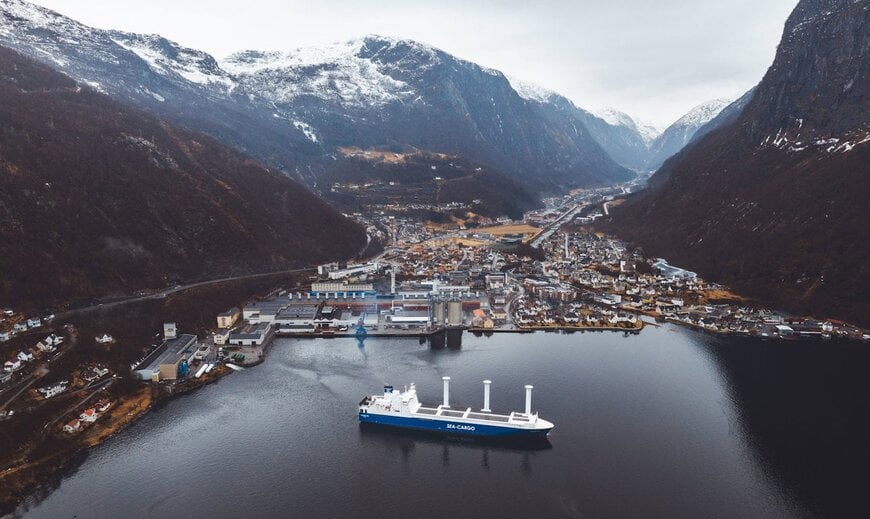
A significant advancement in maritime sustainability has been achieved by Norsk Hydro, which has successfully reduced shipping emissions by up to 35% on a primary European trade route. This development addresses the growing demand for low-carbon supply chains, positioning the company ahead of competitors by tackling the "Scope 3" emissions that often remain a hurdle in the aluminum industry. While many producers focus solely on smelting emissions, this initiative directly lowers the carbon footprint of the delivery process itself, providing a measurable competitive advantage for environmentally conscious customers.
Integrated Technology as a Competitive Edge
The reduction is not the result of a single change but rather a sophisticated integration of multiple green technologies on the cargo vessels Trans Sol and Trans Hav. By combining wind-assisted propulsion via rotor sails with 1,600 square meters of onboard solar panels and advanced battery storage, these ships can harness renewable energy directly from the environment. This hybrid approach is further enhanced by optimized propulsion systems and smart power management, ensuring that energy is used with maximum efficiency. Unlike traditional shipping methods that rely exclusively on heavy fuel oil, these vessels utilize shore power connectivity to eliminate emissions while docked, setting a new benchmark for clean logistics in the metals industry.
Strategic Impact on Net-Zero Goals
This specific maritime corridor, which connects several of Hydro's major Norwegian smelters to the broader European market, is responsible for approximately 20% of the total logistics-related emissions reduction goal for the company’s aluminum business. By focusing on high-volume routes, the company achieves an outsized environmental impact compared to smaller, fragmented efficiency efforts. This systematic transition away from fossil-fuel-dependent transportation is a core component of a broader roadmap to reach net-zero emissions by 2050.
Reliable Low-Carbon Delivery
A critical differentiator of this technology is its ability to maintain high operational reliability while cutting fuel consumption. The upgrades allow the vessels to meet the same rigorous delivery schedules and safety standards required for industrial logistics without the environmental cost typical of the sector. As global regulations on shipping emissions tighten and carbon pricing becomes more prevalent, the adoption of such integrated energy solutions ensures that the supply chain remains both cost-effective and compliant, providing long-term stability for partners and customers alike.
Edited by Evgeny Churilov, Induportals Media - Adapted by AI.
www.hydro.com
