
www.technology4environment.com
02
'26
Written on Modified on
Jungheinrich Integrates Smart Charging With Solar Logistics
Deployment shows how dynamic energy management can reduce grid dependence in electric material handling operations.
www.jungheinrich.co.uk
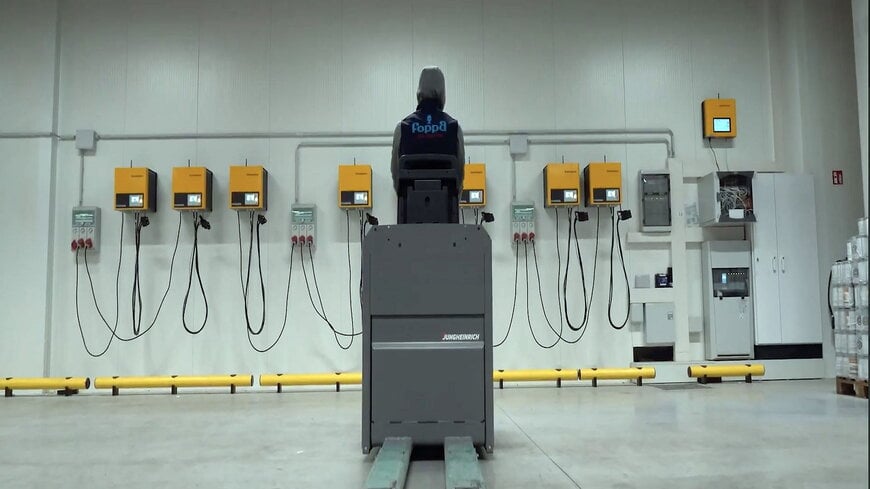
While many industrial operations rely on simple time-based charging or costly stationary battery storage to manage solar power, Foppa’s recent integration of Jungheinrich’s Active Load Management (ALM) at its Egna headquarters demonstrates a more efficient path. By prioritizing real-time synchronization over static scheduling, the system allows the company to power its industrial truck fleet with nearly 90% self-generated solar energy, a significant leap over standard industry benchmarks.
Bridging the Gap Between Generation and Demand
The primary challenge for energy-intensive logistics centers — particularly those with cold storage — is the mismatch between peak solar production during the day and high operational demand at night. Foppa addressed this by moving away from conventional chargers that operate on fixed schedules. Instead, the ALM system functions as a dynamic link between the company's 1 MWp photovoltaic array and its fleet. By continuously adjusting charging power based on real-time solar availability and current grid constraints, the system ensures that vehicles act as flexible energy sinks, absorbing surplus power as it is generated.
The Lithium-Ion Advantage in Intelligent Charging
A critical differentiator in this setup is the transition from lead-acid to lithium-ion technology. Standard lead-acid batteries lack the flexibility required for rapid, intermittent "opportunity charging" without damaging the battery life. In contrast, lithium-ion batteries support variable power levels and short charging intervals, making them the ideal hardware for an ALM-controlled environment. This technological synergy allows Foppa to achieve high utilization rates of self-generated power without the capital expenditure required for separate, large-scale stationary battery storage systems.
Enhancing Operational Flow and Infrastructure Reliability
Beyond energy efficiency, the implementation of twelve Jungheinrich ECE order pickers equipped with ALM functionality has streamlined warehouse logistics. The shift to a decentralized, intelligent charging model removes the need for dedicated charging rooms and the manual handling of heavy replacement batteries. By dynamically capping the charging power to match the existing infrastructure and energy contracts, the system also prevents peak load spikes that could otherwise lead to expensive grid surcharges or infrastructure strain.
Scaling Sustainable Logistics
The success at the Egna site serves as a blueprint for integrating renewable energy into material handling. By focusing on intelligent software-driven distribution rather than simply increasing hardware capacity, Foppa has secured greater planning reliability and reduced its dependence on fluctuating energy markets. The company is currently exploring further expansions to direct remaining solar surpluses into additional logistics-related processes, continuing to refine the intersection of industrial automation and renewable energy.
www.jungheinrich.com
