
www.technology4environment.com
27
'26
Written on Modified on
Siemens to deliver one of Australia’s largest cloud-based SCADA systems
The innovative platform integrates eight renewable energy sites across Australia, enhancing operational efficiency and grid stability to support Global Power Generation’s ambitious three-gigawatt expansion goals.
www.siemens.com
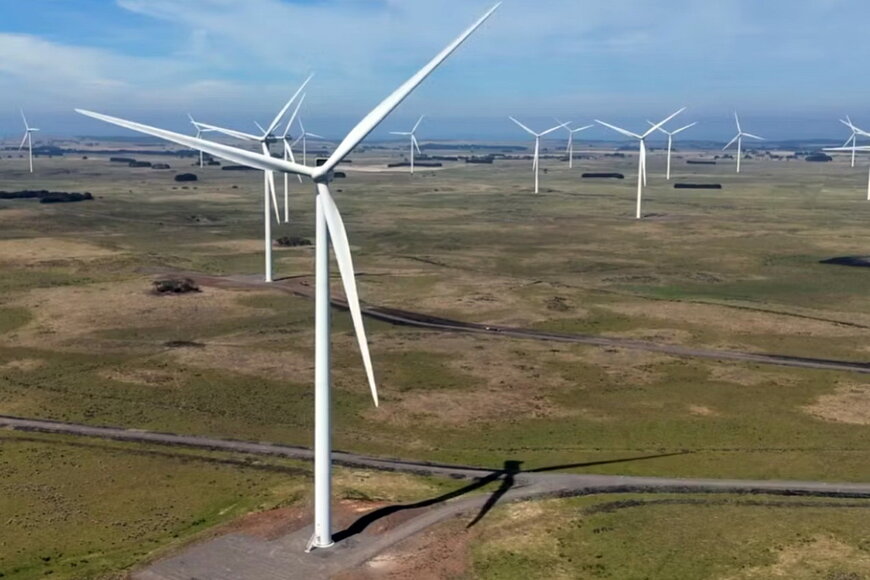
As the global energy transition accelerates, renewable energy operators face the significant challenge of managing increasingly complex and geographically dispersed assets. Unlike traditional local monitoring systems that often struggle with interoperability between different legacy platforms, the implementation of a unified, cloud-based SCADA (Supervisory Control and Data Acquisition) system offers a superior alternative for large-scale energy management. By centralizing data from diverse sites into a single interface, this technology provides a level of operational oversight and scalability that outpaces conventional, fragmented control solutions.
Overcoming Integration and Scalability Barriers
One of the primary differentiators of modern industrial software is its ability to harmonize data from multiple power plants, regardless of their original communication protocols or legacy hardware. In a recent large-scale deployment for Global Power Generation Australia (GPGA), Siemens and its partner Mescada demonstrated how a platform-independent system can connect eight different renewable energy assets across various regions through approximately 300,000 data tags. This centralized approach eliminates the inefficiencies of managing siloed data, providing a unified real-time view from a single control room. This architecture is specifically designed for horizontal scalability, allowing operators to expand their capacity without the technical debt associated with traditional hardware-heavy monitoring setups.
Future-Proofing Through AI and Grid Integration
While many standard SCADA systems focus strictly on data visualization, the next generation of this technology incorporates artificial intelligence and generative AI to assist operators in decision-making and predictive maintenance. This shift toward "intelligent" management positions these systems ahead of competitors by enabling smarter node technology and seamless API integrations. Furthermore, advanced cloud-based platforms are designed for direct integration with national energy market operators. This allows for real-time responses to grid demands and market price fluctuations, ensuring that energy providers can maintain regulatory compliance and optimize profitability in a way that static, localized systems cannot match.
Enhancing Operational Resilience and Security
The transition to a cloud-based infrastructure also addresses critical needs for energy security and operational excellence. By moving control functions to a robust cloud environment, operators benefit from enhanced data resilience and the ability to implement updates across the entire portfolio simultaneously. As energy networks become more distributed, the ability to maintain a stable and secure connection between wind, solar, and battery storage assets becomes a decisive competitive advantage. This technological evolution not only supports the growth of renewable portfolios but also ensures they can reliably contribute to national grid stability during the transition to a low-carbon future.
www.siemens.com
